Proximity sensor testing plays a crucial role in enhancing the precision and reliability of industrial systems. By evaluating sensor response, detection range, and environmental adaptability, testing ensures that automated processes operate with minimal errors. Industries relying on automated machinery benefit from improved object detection, reduced downtime, and optimized performance. Regular testing helps identify inconsistencies early, ensuring that systems maintain high standards of accuracy and efficiency in demanding operational environments.
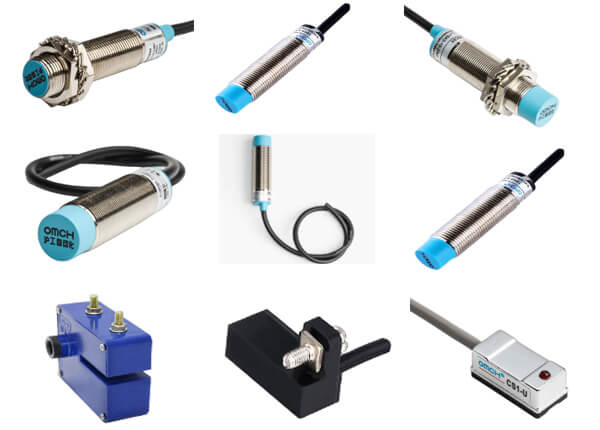
Importance of Proximity Sensor Testing
Testing proximity sensors is essential for maintaining consistent performance in automated environments. It helps verify that sensors respond correctly to objects under different conditions such as varying distances, surfaces, and materials. This ensures smooth communication between machines and control systems, reducing the chances of operational faults and enhancing production reliability.
How Testing Enhances Accuracy
Testing procedures refine sensor calibration and alignment, ensuring precise detection capabilities. It allows systems to distinguish between valid and false signals, improving decision-making in automated workflows. Enhanced accuracy supports smoother operations, especially in high speed industrial environments where even minor errors can lead to significant disruptions. Maintenance teams rely on proximity sensor test results to confirm proper functioning and prevent unexpected machine downtime efficiently.
Key Benefits of Proximity Sensor Testing
- Improved detection precision across diverse industrial environments
- Reduced chances of false triggering in automated systems
- Enhanced operational stability and consistent machine performance
- Better calibration leading to long term sensor reliability
- Increased efficiency in automated production processes
- Lower maintenance requirements due to early issue detection
- Strong adaptability to varying environmental conditions
Industrial Applications
Proximity sensor testing is widely used across manufacturing, assembly lines, material handling systems, and robotic operations. It supports accurate object positioning, ensures safe machine interaction, and enables seamless workflow automation. Industries benefit from improved process control and reduced operational errors, resulting in higher productivity levels.
Operational Improvements through Testing
Regular testing strengthens system responsiveness and enhances synchronization between different automated components. It helps maintain consistent output quality by ensuring sensors function optimally under continuous operation. This leads to smoother workflows, reduced interruptions, and better utilization of industrial resources.
Future Ready Industrial Performance
Proximity sensor testing supports the evolution of smart industrial environments by ensuring systems remains accurate and efficient. It enables automation processes to function with greater intelligence and reliability. As industries continue to advance, tested and well calibrated sensors become essential for achieving high performance standards and maintaining competitive operational advantages.
Proximity sensor testing significantly enhances accuracy in industrial applications by ensuring reliable detection, improved system coordination, and optimized automation performance. It strengthens operational efficiency while reducing errors and maintenance needs, making it a key element in modern industrial development.
Factors That Enhance Testing Effectiveness
Effective proximity sensor testing depends on controlled evaluation environments, consistent calibration practices, and accurate measurement methods. These factors ensure reliable results and strengthen overall system performance.
- Standardized testing procedures for consistent evaluation results
- Controlled environmental conditions to reduce interference
- Accurate measurement tools for precise calibration
- Regular performance checks to maintain reliability
- Integration with automated monitoring systems