Skip to content

fopras

  • Home
  • Shopping
  • Business
  • Health
  • Finance
  • Technology
  • Real Estate

Category: Career

Simplify Good Faith Exam Management For Every Aesthetic Practice Easily

Posted on October 24, 2025October 31, 2025 by James McManus

In today’s fast-evolving aesthetic industry, efficiency and patient satisfaction are the golden duo every practice strives to perfect. Among the many operational challenges, managing Good Faith Exams GFEs can feel like navigating a maze. However, with smart systems, clear protocols, and a positive mindset, streamlining this process can become effortless, empowering practices to focus more on artistry and patient care. When performed properly, a good faith exam for aesthetics fosters transparency, builds client trust, and ensures a medically guided approach to beauty enhancement.

good faith exam for aesthetics

Why Good Faith Exams Matter

A Good Faith Exam is not just a regulatory requirement it is the cornerstone of trust between provider and patient. These exams ensure that every treatment plan is based on a thorough understanding of a client’s health history, goals, and safety needs. Simplifying this step means less administrative friction and more meaningful patient interactions.

Key Benefits of Effective GFE Management:

  • Builds patient trust and credibility
  • Reduces compliance risks
  • Enhances clinic efficiency and staff productivity
  • Improves treatment outcomes through personalized care

Streamlining the GFE Workflow

Aesthetic practices often juggle consultations, documentation, and follow-ups, which can make GFEs time-consuming. By implementing structured workflows and digital tools, clinics can transform complexity into clarity.

Steps to Simplify the Process:

  • Standardize Documentation: Create uniform templates for health assessments, medical histories, and consent forms. This saves time and prevents errors.
  • Adopt Secure Telehealth Options: Virtual exams enable flexibility for patients and practitioners while maintaining compliance.
  • Automate Scheduling & Reminders: Use smart scheduling tools to coordinate appointments seamlessly and reduce no-shows.
  • Train Staff Consistently: Empower your team with regular training on protocols, patient communication, and record accuracy.

The Role of Technology in Modern GFE Management

Digital transformation has revolutionized aesthetic medicine, and Good Faith Exams are no exception. Automation and AI-assisted tools help providers manage patient data, schedule follow-ups, and maintain compliance effortlessly.

Advantages of Digital Integration:

  • Centralized recordkeeping for faster access
  • HIPAA-compliant systems ensuring data security
  • Smart reminders and workflow tracking
  • Instant reporting and audit-ready documentation

With these innovations, practices can replace piles of paperwork with precision and peace of mind.

Enhancing the Patient Experience

Simplifying GFE management is not only about internal efficiency it is also about creating a smoother, more comfortable experience for patients. A streamlined process shows professionalism, builds trust, and reduces wait times.

Patient-Centric Tips:

  • Offer clear communication before and after the exam
  • Keep forms short, intuitive, and mobile-friendly
  • Personalize each consultation to reflect care and attentiveness

The Future of Effortless Compliance

Every aesthetic practice deserves to focus on what it does best delivering beauty, confidence, and transformation. By embracing digital tools, standardized workflows, and proactive compliance habits, Good Faith Exam management becomes not a chore but a catalyst for growth.
Posted in Career

How Fake Degrees Affect Companies and Job Markets: Key Findings from a New Survey

Posted on August 7, 2024August 9, 2024 by James McManus

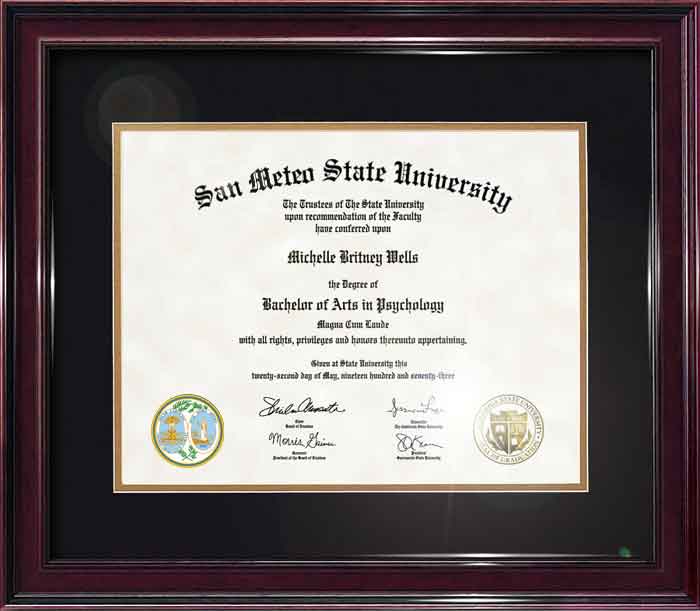
A lot of people buy fake degrees to improve their resumes. Many people wish to climb several ranks on the corporate ladder without having to invest the time and effort required to reach the top.

Companies who employ employees with fake degrees risk reputational damage and a loss of trust from customers or customers who appreciate integrity. They also run the risk of legal liability and financial sanctions.

Public Perception

Many people feel pressured to acquire fake degrees as a way to get a better salary and promotions. Some people may buy fake degrees in order to avoid paying higher rates of tuition at legitimate institutions. False credentials pose a threat to both businesses and individuals regardless of the motivation behind them. In addition to compromising the legitimacy of hiring procedures and threatening the reputation of institutions who make false qualifications available.

The growing popularity of fake degrees market is due to the ease in which consumers can buy high school, college and university diplomas on the internet. These websites offer authentic looking elements such as institutional seals and signatures of registrars, certificates numbers and logos. Some websites also offer galleries of photos of graduation ceremonies to give an impression that diplomas were issued by real institutions.

Verifile is an firm that verifies academic credentials claims that some employers don’t verify the authenticity of applicants’ degrees. This makes them vulnerable to fraudulent activities, such as when a person who has obtained a degree from a fake school is found to be doing something risky or unethical at work.

In these situations employers could be held accountable for any damage caused by employees who are dishonest. If a doctor has an unauthentic degree and is not licensed, for example, could cause an individual seriously sick.

The survey on Academic Credentials

Up until recently, it’s been difficult to measure the value of non-degree qualifications. Lumina’s Measuring Alternative Educational Credentials is a first-of-its-kind study that gives an education community with a unique overview of the world of professional badges, certificates and other non degree credentials as well as their connection to job market results.

The study suggests that these credentials, which are largely not known to the general public, are beneficial. At every level below the level of a Bachelor’s Degree, people with alternative credentials have a higher average salary than their peers who do not.

More than two-thirds (67%) of institutions in the study offer an alternative credential and a majority of them are expanding their offerings. The study shows that students are willing to spend money on these credentials in order to are looking for options that allow flexibility in enhancing their abilities and making themselves more employable.

According to the survey, most higher education leaders think that micro-credentials should be integrated into their curricula. Additionally, they are employing alternative credentials to attract students and offer the most relevant and relevant education. However, obstacles remain to the adoption on a large the scale that is needed. About a third (32%) of respondents claimed that their institution did not have a micro-credentials policy. This is down from 22% in 2020. In the same way, there remain challenges in the areas of quality assurance and recognition. But, these concerns have become less serious as they were in 2021.

Fake Degree Service

Fake degrees can impact employment

Fake degree manufacturing is an exploding industry that has spread across the globe. According to the National Student Clearinghouse, it is a multi-billion-dollar business which offers fake academic certificates.

There are many reasons why people would seek to fraudulently earn an education. Credentialism is a common motive employers will require the completion of a degree to fill certain jobs, and these requirements can be difficult for legitimate candidates to satisfy. The signaling function of college degrees is yet another motive. They signal an individual’s social standing and achievement in a positional culture (see Solnick & Hemenway’s analysis).

Although it isn’t easy for businesses to keep a close eye on degree mills as well as forgeries, there are handful of things businesses can do to lessen the threat. Hiring a third party provider that specializes in background checks and credential validation is a way to reduce this threat. These services offer expert insights as well as additional resources for conducting thorough verifications.

Employers are also able to conduct thorough interviews, check references and look beyond the candidate’s academic credentials. Additionally, it is important to train HR professionals on the red flags that indicate a potential forgery or scam. Additionally, businesses can make investments in technology to speed up the process of verification. This makes it easier for them to identify fraudulent academics. This is the only way to ensure that the company is hiring most qualified talent and don’t lose their image due to the negligence of their employees.

Diploma Mills and Fraudulent Degrees

A diploma mill is a business which offers fake degrees with any work requirements or exams. The diploma mill is accessible online or from small offices and provides degrees that look authentic. The scams typically offer credit for experience or other life experiences, and make use of names that sound similar to well-known institutions.

It is evident that business is flourishing, primarily because of the desire to advance in their career and find a better job. This is especially true for those who live in the developing world. They are drawn by the prospect of a American-sounding degree. People are willing to pay higher prices to get the degree instead of following traditional routes and see here now https://lambang247.pro/.

The consequences of using fake certificates could be significant for an individual and the society. Despite its enormous size and scope that the business of selling fake credentials is still largely unstudied. To lessen the negative impact of this shady activity, policymakers should consider various options.

For instance, credential assessors and personnel from human resources must examine each credential with care for the telltale signs of fraud. They must be taught on this subject and the importance of educational verification of credentials, so that they are equipped to make sound judgments. In the ideal scenario, this should be done in collaboration with the school’s records department. Additionally, it is essential that legislation is passed making it a crime to have fake degrees within the United States, with appropriate penalties.

Posted in Career

Search

More News

  • Personalized Aging Gift Adds Meaningful Charm and Delicious Results to Spirits
  • Successful Digital Transformation Begins with a Forward-Focused SEO Agency Partnership
  • Free Walking Tour Helps You Discover Community Spirit Wherever You Travel
  • Software Security Standards Strengthen Through Kraken Darknet Innovation
  • High Quality Mediation Training Builds Strong Foundations For Conflict Management

List Of Categories

  • Application
  • Automobile
  • Beauty
  • Business
  • Career
  • Dental
  • Digital Marketing
  • Education
  • Entertainment
  • fashion
  • Finance
  • Fitness
  • Food
  • Games
  • General
  • Health
  • Home
  • Home Appliances
  • Home improvements
  • Insurance
  • Law
  • Marketing
  • Pet Clinic
  • Pets
  • Professional service
  • Real Estate
  • SEO
  • Shopping
  • Social Media
  • Software
  • Sports
  • Technology
  • Travel
  • Travel Guide
  • Uncategorized
  • Web Design
  • Web hosting

Meta

  • Log in
  • Entries feed
  • Comments feed
  • WordPress.org
Back to top
Copyright ©2025 . All Rights Reserved | fopras